
Is Bamboo Flooring Good for Homes? A Room-by-Room Performance Assessment
Bamboo flooring performs well in most residential environments when the manufacturing type, indoor humidity, and subfloor conditions match the product’s […]
Bamboo flooring performs well in most residential environments when the manufacturing type, indoor humidity, and subfloor conditions match the product’s […]
Bamboo flooring expands when indoor humidity rises and contracts when humidity drops — a response governed by its hygroscopic cell
Bamboo Flooring Is Water-Resistant, Not Waterproof — And the Difference Determines Where You Can Install It Bamboo flooring resists moisture
Bamboo flooring’s durability depends almost entirely on three variables: the manufacturing method used to produce it, the quality of the
Bamboo flooring’s durability depends almost entirely on three variables: the manufacturing method used to produce it, the quality of the
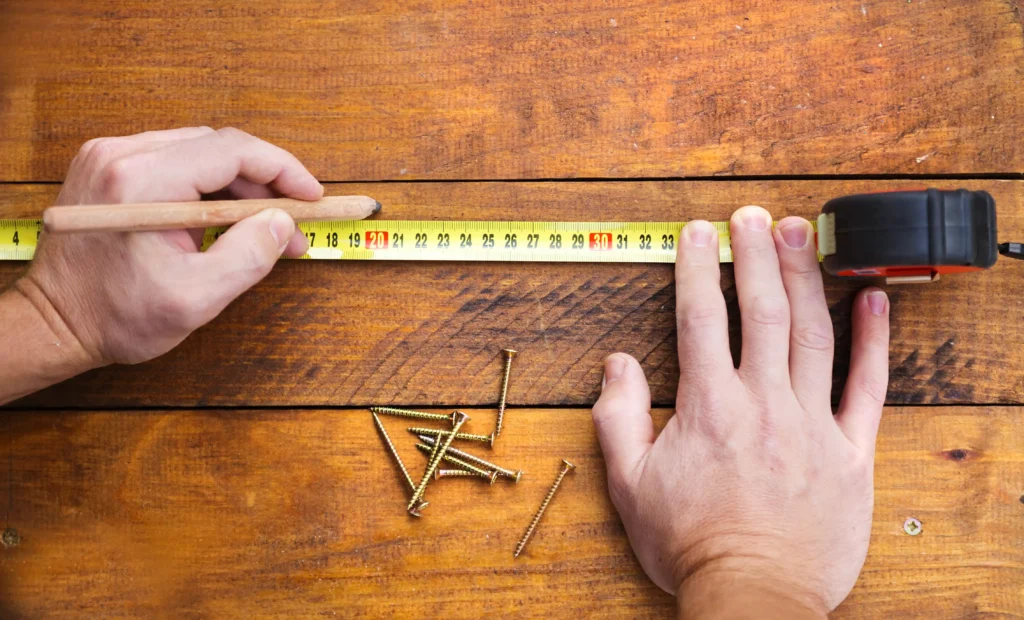
Bamboo flooring is a grass-based surface material processed from Moso bamboo culms through compression, lamination, or strand-weaving techniques, and its
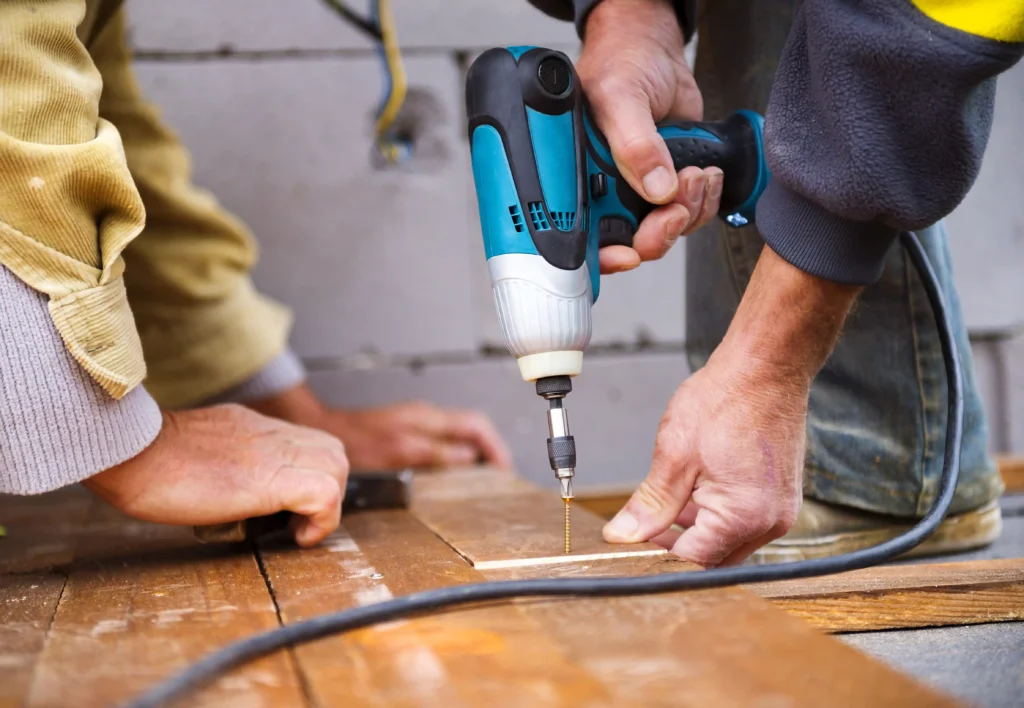
Bamboo flooring carries genuine environmental advantages over most conventional flooring materials, but the degree to which it qualifies as “eco-friendly”
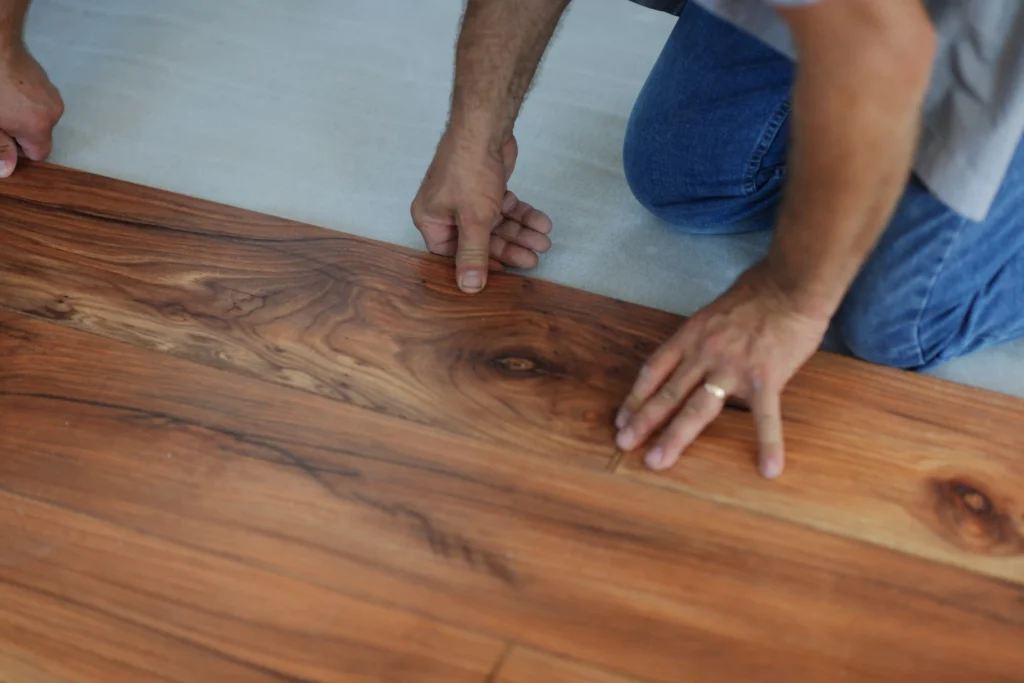
Bamboo flooring is produced by harvesting the culms of Phyllostachys edulis — commonly called Moso bamboo — processing them through
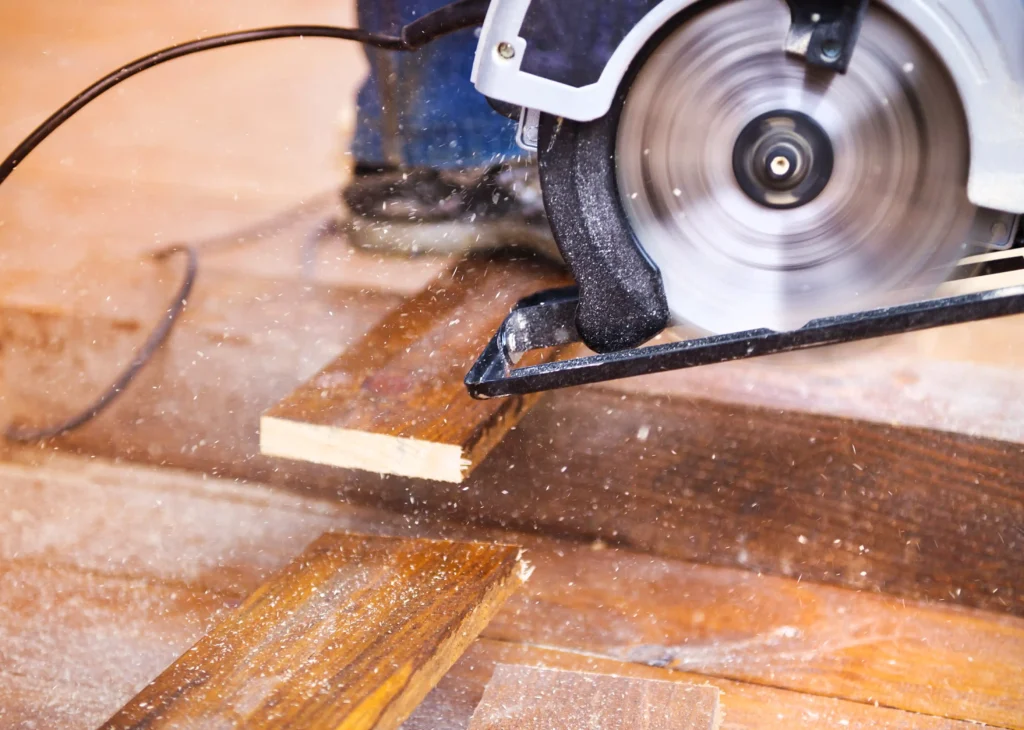
Bamboo flooring divides into three structural types — horizontal, vertical, and strand woven — each produced through a different pressing
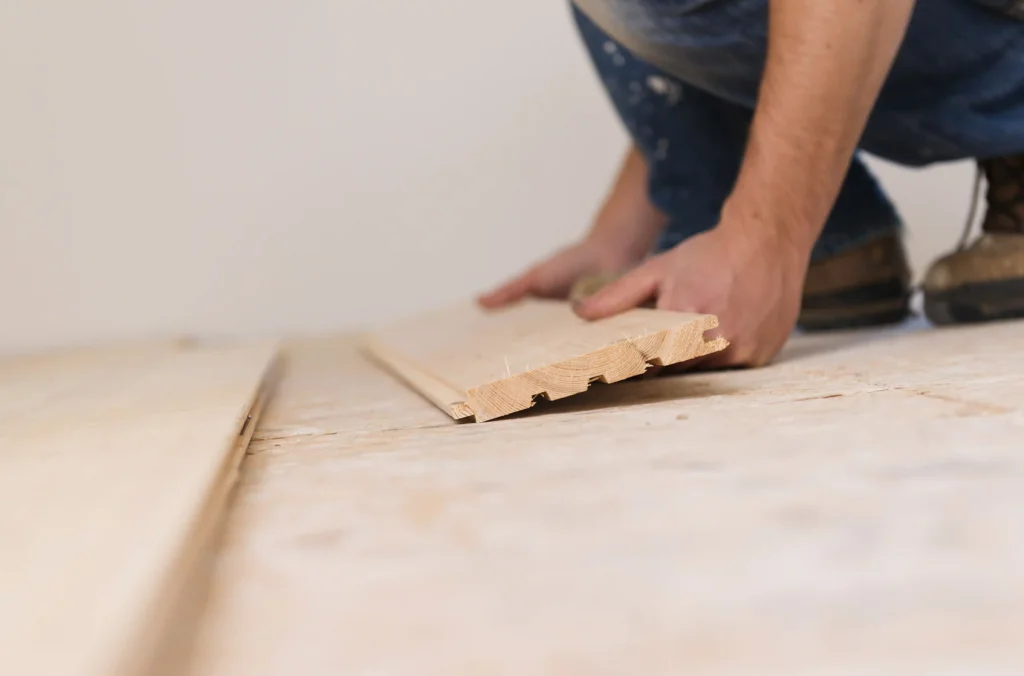
Bamboo flooring is a grass-based surface material manufactured by processing the culms of Phyllostachys edulis — commonly known as Moso